


Affiliate Disclosure As an Amazon Associate I earn from qualifying purchases. This post may contain affiliate links. For more details, refer to my Disclaimer page.
There is nothing quite like the smell of freshly baked bread. But what happens when you have made a beautiful loaf and know you cannot eat it all before it goes stale? The freezer is your friend here, and with a few simple steps, you can enjoy that homemade goodness for up to six months.
This is an in-depth guide on best practise methods for slicing and freezing home made and shop bought bread.
Whether you have baked a simple white loaf or a rustic no-knead sourdough, freezing bread is straightforward once you know the right approach.
Contents
- Why Freeze Bread?
- How to Slice Bread for Freezing
- Batard or oval breads
- Bread Slicing Tools: Getting Even Slices Every Time
- How to Store Bread in the Freezer
- How to Defrost Frozen Bread
- What to Make with Your Defrosted Bread
- Quick Tips for Freezing Bread
- Frequently Asked Questions about Freezing Bread
- Serve your bread with...
- Your Comments
Why Freeze Bread?
Homemade bread does not contain the preservatives found in shop-bought loaves, which means it tends to go stale or mouldy within a few days. The speed at which this happens will depend on where you are in the world and the ambient room temperature. Freezing solves this problem completely. It locks in freshness and means you always have bread ready when you need it.
Frozen bread is perfect for:
- Quick toast in the morning
- Sandwiches for packed lunches
- A side for homemade smoky BBQ winter vegetable soup
- Last-minute breakfast sausage sandwiches
How to Slice Bread for Freezing
The key to freezing bread successfully is slicing it before it goes into the freezer. This way, you can take out exactly what you need without defrosting the entire loaf.
For a standard white loaf: Slice your loaf into 13 to 14 even slices. This is roughly the same number you would get from a shop-bought loaf and works well for sandwiches and toast. If you have made a square sandwich loaf in a Pullman tin, you will find the uniform shape makes slicing particularly easy.
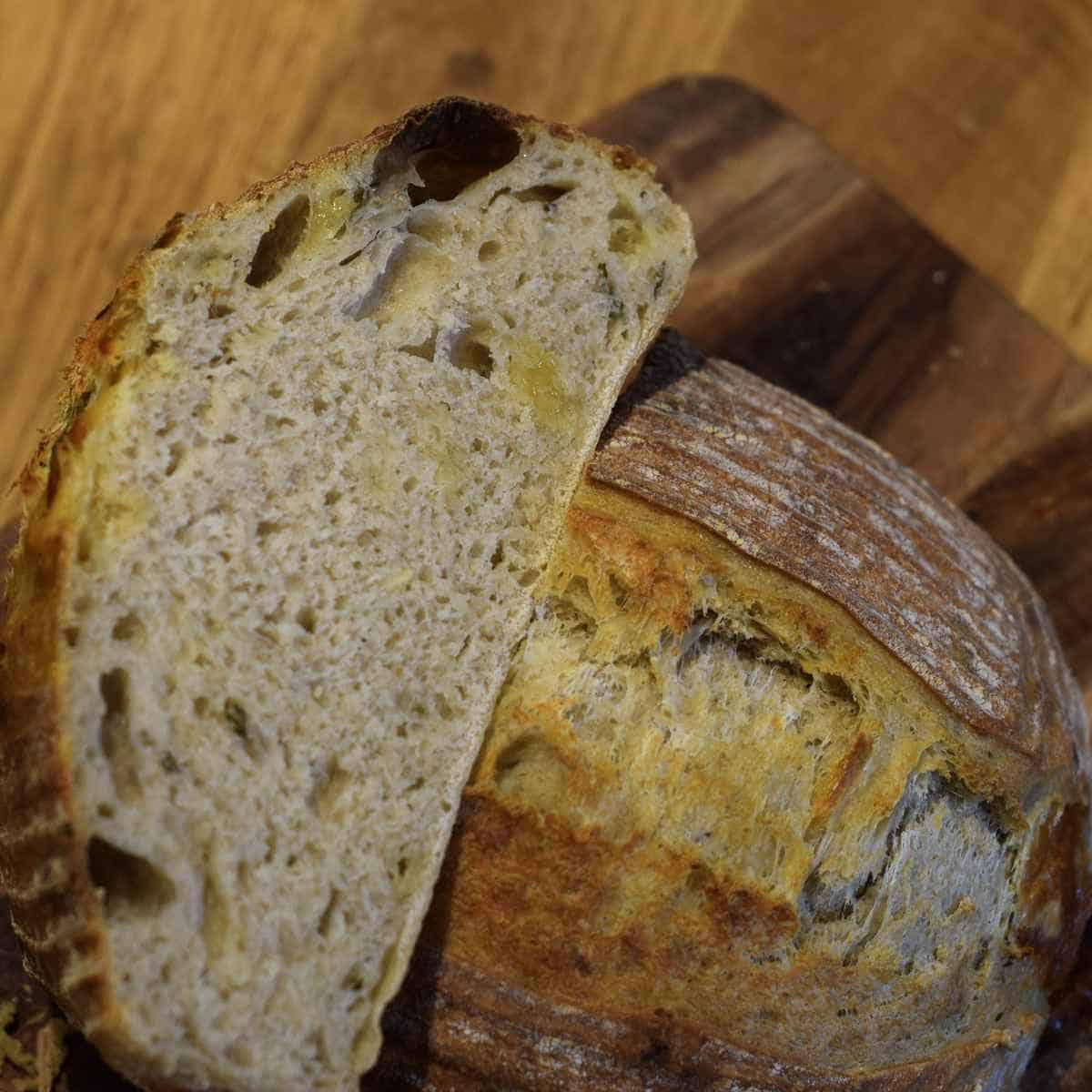
For round sourdough loaves: Round boules need a slightly different approach. Cut the loaf in half first, then slice each half into 12 or 13 pieces. This gives you manageable portions that stack neatly in a freezer bag. This method works well for loaves like rye sourdough, cheesy sourdough or beetroot sourdough.
Batard or oval breads
If you have used an oval banneton to shape your sourdough, you can slice these straight through as you would a regular loaf. The elongated shape lends itself to normal slicing without any fuss.
Bread Slicing Tools: Getting Even Slices Every Time
One of the trickiest parts of freezing bread is getting consistent slices. Uneven slices defrost at different rates and do not fit neatly in a toaster. Here are your main options:
A good bread knife A quality serrated bread knife is the most versatile option. Look for a blade of at least 20cm (8 inches) with deep serrations that grip the crust without crushing the soft interior. A longer blade works better for wider loaves. The sawing motion should do the work rather than pressing down.
Bamboo bread slicing guides If you struggle to cut even slices freehand, a bamboo bread slicing guide is a worthwhile investment. These frames have vertical slots that hold your knife at consistent intervals. Most offer multiple thickness options, usually ranging from thin (around 8mm) to thick (about 24mm). They work well for standard loaf shapes and take the guesswork out of slicing.
Manual bread slicers A step up from a simple guide, a manual bread slicer gives you more control and stability. These typically feature a built-in cutting platform and adjustable guides, making it easier to achieve uniform slices without the bread moving around. They are a good middle ground between a basic guide and a fully electric option.
Electric bread slicers For those who bake regularly, an electric bread slicer can save considerable time. These machines work like a small deli slicer, letting you adjust the thickness and slice through loaves quickly and uniformly. They are particularly useful if you batch bake and freeze multiple loaves at once. The main downside is the counter space they require and the need to clean them after each use.
Whichever tool you choose, let your bread cool completely before slicing. Warm bread compresses and tears rather than cutting cleanly. A light sawing motion with minimal downward pressure gives the best results. For crusty sourdough, score the crust lightly first if you find it shattering.
How to Store Bread in the Freezer
Once sliced, place your bread into food-safe freezer bags. Squeeze out as much air as possible before sealing. The less air in the bag, the better your bread will keep. Knot the open end of the bag tightly to create a good seal and prevent freezer burn.
Place a small square of baking paper between each slice before bagging. This stops the slices from freezing together in a solid block and makes it much easier to grab just one or two slices when you need them.
Label your bags with the date and type of bread. While frozen bread will keep for up to six months, it is always helpful to know what you have and when it was frozen.
How to Defrost Frozen Bread
Getting your bread from freezer to table is simple, and you have a few options depending on how much time you have.
On the counter: Remove the slices you need and leave them on a plate or board at room temperature. They will defrost in around 20 to 30 minutes, depending on the thickness of your slices and the temperature of your kitchen.
In the microwave: For a quicker option, microwave individual slices on a low setting for 15 to 20 seconds. Be careful not to overdo it or the bread can become tough. Check and add a few more seconds if needed.
Straight in the toaster: Frozen bread can go directly into the toaster. Most toasters have a defrost setting which works perfectly. This is ideal for a quick slice of toast to go with your crispy air fryer bacon.
Important: Once bread has been defrosted, do not refreeze it. It is dangerous to do this as it encourages fast bad bacteria spore growth. Furthermore ,the texture will suffer significantly and you may end up with a soggy or crumbly result. Only take out what you plan to use.
What to Make with Your Defrosted Bread
Having sliced bread ready in the freezer opens up plenty of quick meal options:
- A classic cheddar and onion ploughman's sandwich
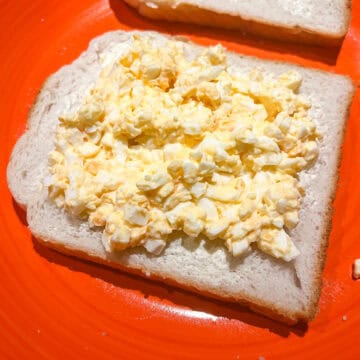
- Simple egg mayo and mustard sandwiches
- Tangy egg and pickle mayonnaise on toast
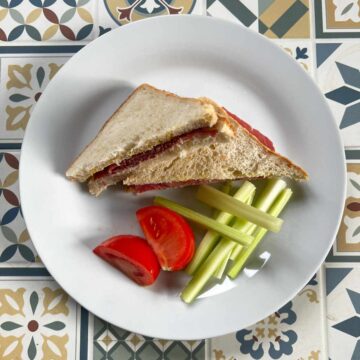
- A hearty pastrami and mustard sandwich
- Dipping bread for slow cooker chilli con carne
- A side for slow cooked lamb stew
Sourdough works particularly well toasted and served alongside rich stews and casseroles. The slight tang cuts through heavier dishes nicely.
Quick Tips for Freezing Bread
- Always let bread cool completely before slicing and freezing. Warm bread creates condensation which leads to ice crystals and soggy bread when defrosted.
- Use good quality freezer bags. Thin bags let in more air and your bread will not keep as well.
- Flatten the bag once sealed to save freezer space. Sliced bread stacks neatly this way.
- If you bake regularly, consider keeping a rotation system. Use older frozen bread first. Make sure to label the bread by either writing with a sharpie pen on the bag or using a tag.
Frequently Asked Questions about Freezing Bread
Yes, most bread freezes well. White loaves, wholemeal, sourdough, rye and enriched breads like challah all freeze successfully. Breads with a higher fat content, such as brioche, may have a slightly different texture after defrosting but are still perfectly good to eat.
When stored properly, frozen bread tastes very close to fresh. The key is removing as much air as possible and not keeping it frozen for longer than six months. When first placing in the freezer, try not to put it near anything which may have a strong odour like curries or spices otherwise that might get absorbed into the frozen bread.
Yes, bread dough can be frozen, though this is a topic for another post. Freezing baked bread is generally more convenient as it is ready to eat after a quick defrost.
Treat defrosted bread the same as fresh. It will keep for a day or two at room temperature, though it is best eaten on the day you defrost it for optimal texture.
Absolutely. The same principles apply. Sliced bread from the supermarket freezes well and the slices can go straight into the toaster from frozen.
Serve your bread with...


More posts like this


Comments
No Comments
Leave a Reply