


Affiliate Disclosure As an Amazon Associate I earn from qualifying purchases. This post may contain affiliate links. For more details, refer to my Disclaimer page.
Throughout my time of creating dadwhatcooks I noticed that many recipes start out in similar ways. The basic ingredients are essential pantry staples to have in as they fall in to many of the recipes on my site so I thought it useful to collate these together.
I have taken the time to get a list together to highlight the essential ingredients needed a lot of basic meals.
Choosing Ingredients
The foundation of any recipe falls to the ingredients that you choose to use. What you will find on my website is that a lot of the recipes call for very similar base ingredients. This is intentional so that keeping the cost of making good food is kept to a minimum. It reduces the need to buy more than is required and furthermore, it stops waste.
Food waste is a big problem for some countries so it is important we play our part in reducing that. Afterall, less waste means less packaging and less cost so it is a no brainer to try and reduce wastage. Even close to home, food waste costs you money – why buy some food and then throw it out a week later because it has gone off. In my recipes I will try and point out places where you can add in leftovers, or use something different to take another items place.
Basic Staple Vegetables
Having a staple list of ingredients to keep in the cupboard will make sure that you are eating well and using everything you buy. Some of these ingredients listed will last for a good few weeks if stored correctly however as with most things they can be much better when fresher. Keeping a good stock rotation system will help you avoid throwing ingredients out.
In our house we have a menu of the dishes for the week. We shop for the week using the knowledge of what we actually need. Other staple ingredients such as tinned goods are topped up to ensure we always have the items available so it is just a case of making sure the older items are used first. A little organisation can go a long way.
The list below is by no means exhaustive, but they offer a good starting point for a lot of the recipes on my website, so having a fresh supply will mean you have a go to ‘basic’ dish.
Onions & Garlic
These are long lasting bulbs which when stored in a cupboard will keep for a good couple of weeks. As with most items, the fresher the better. Should you find a part of an onion is looking a bit past its best, cut it off and use the rest. Providing it isn’t mouldy, smelly or squidgy then it should be good to go.
Onions come in various varieties, I opt for red onions mainly as it provides a wider range of choices when eaten raw in a salad. However brown and white onions work just as well and have a stronger flavour so I prefer these in cooking. I tend to have both red and brown types available if possible.
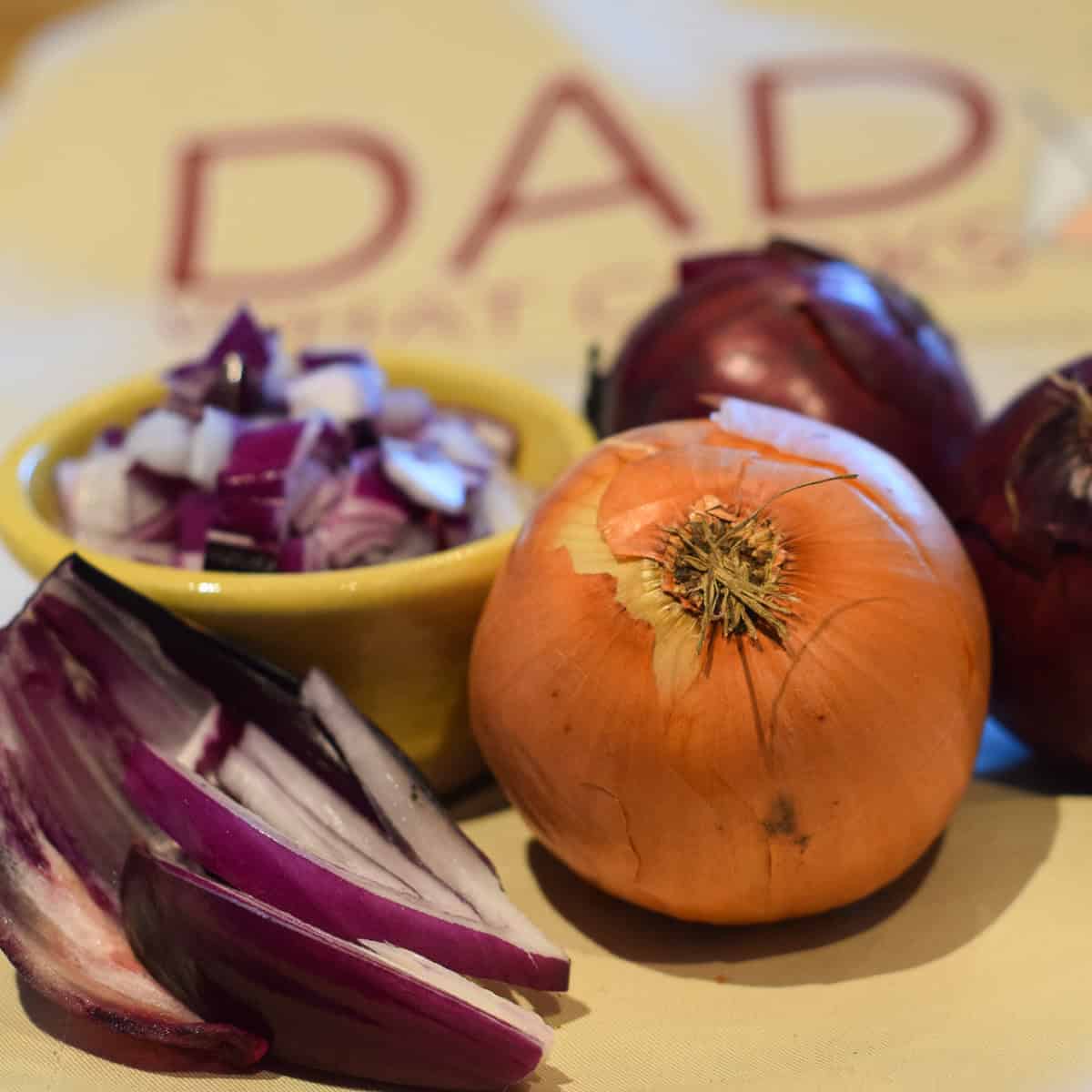
Garlic comes in bulbs too, with each segment (referred to as a clove) held within. These need to be peeled before they are cooked. A bulb of garlic missing a few cloves will still keep for a while, so having a couple of bulbs in your cupboard will help. For longer last alternatives, there are garlic granules which can be found in the herbs and spices aisle or you could opt for ‘lazy garlic’ which comes in a jar. This needs to be kept in the fridge once opened. For both of these alternatives, one level teaspoon will be about the same as one fresh clove.
Potato
The ultimate all rounder, the spud. With various options available again offering a multitude of choices to cook it pays to have a general good for all occasions potato on hand. My choice is the Maris Piper or the Red Rooster potatoes. A 2kg bag will be good in the cupboard for a couple of weeks.
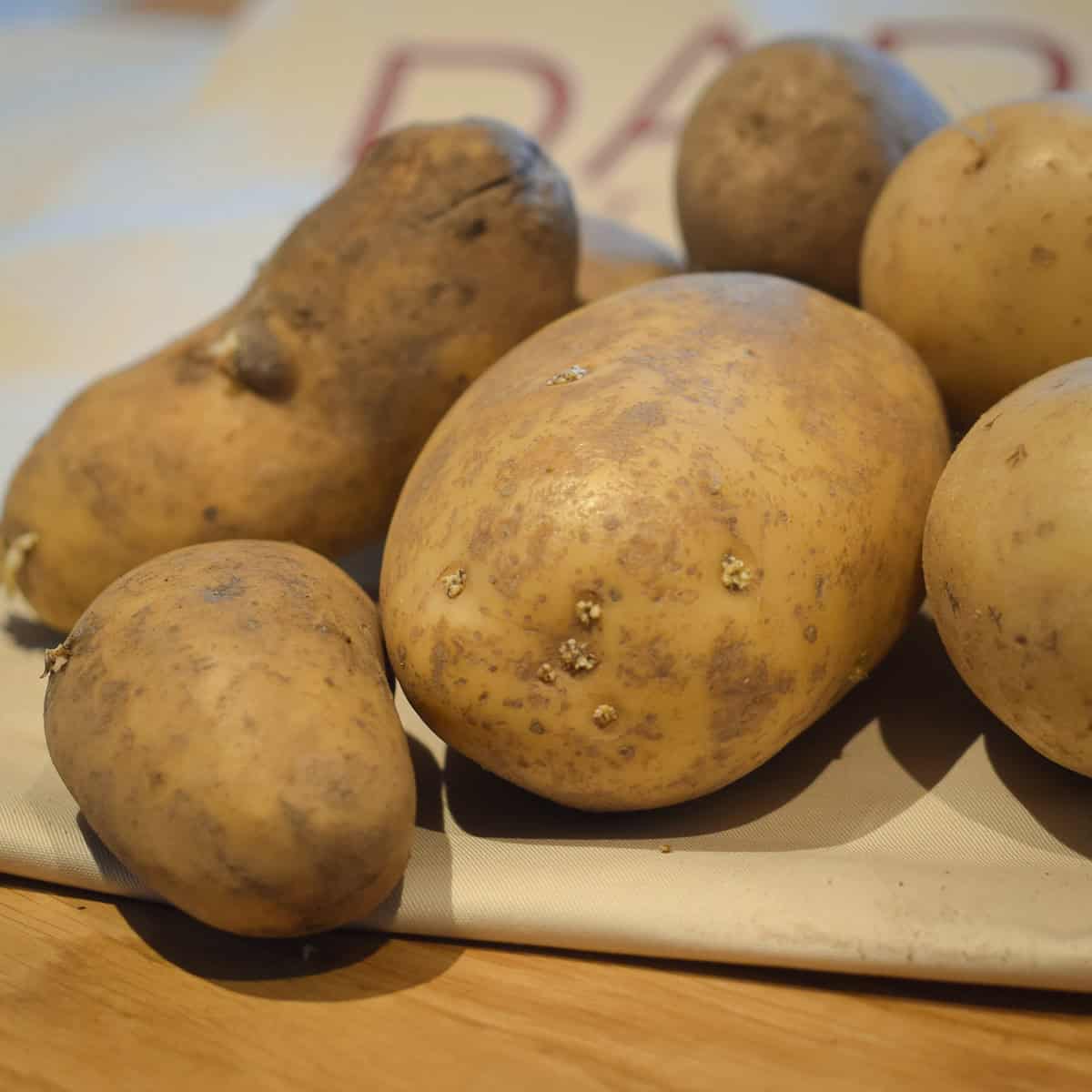
After a while they may develop little roots however they are still good to use, just make sure to dig these out and then you will be ok to keep cooking.
Carrots
I always opt to have a bag of carrots in the fridge. They keep for weeks and again are versatile. They can be used in salad, curry, mash potato and with roast dinners. Another all rounder which can be eaten cooked or raw.
Carrots a one of the most versatile vegetables and can be used as a base ingredient for dishes like katsu curry. The skin also offers a high nutrition value so if you can clean the carrots and not peel them, all the goodness and vitamins remain in the skin.
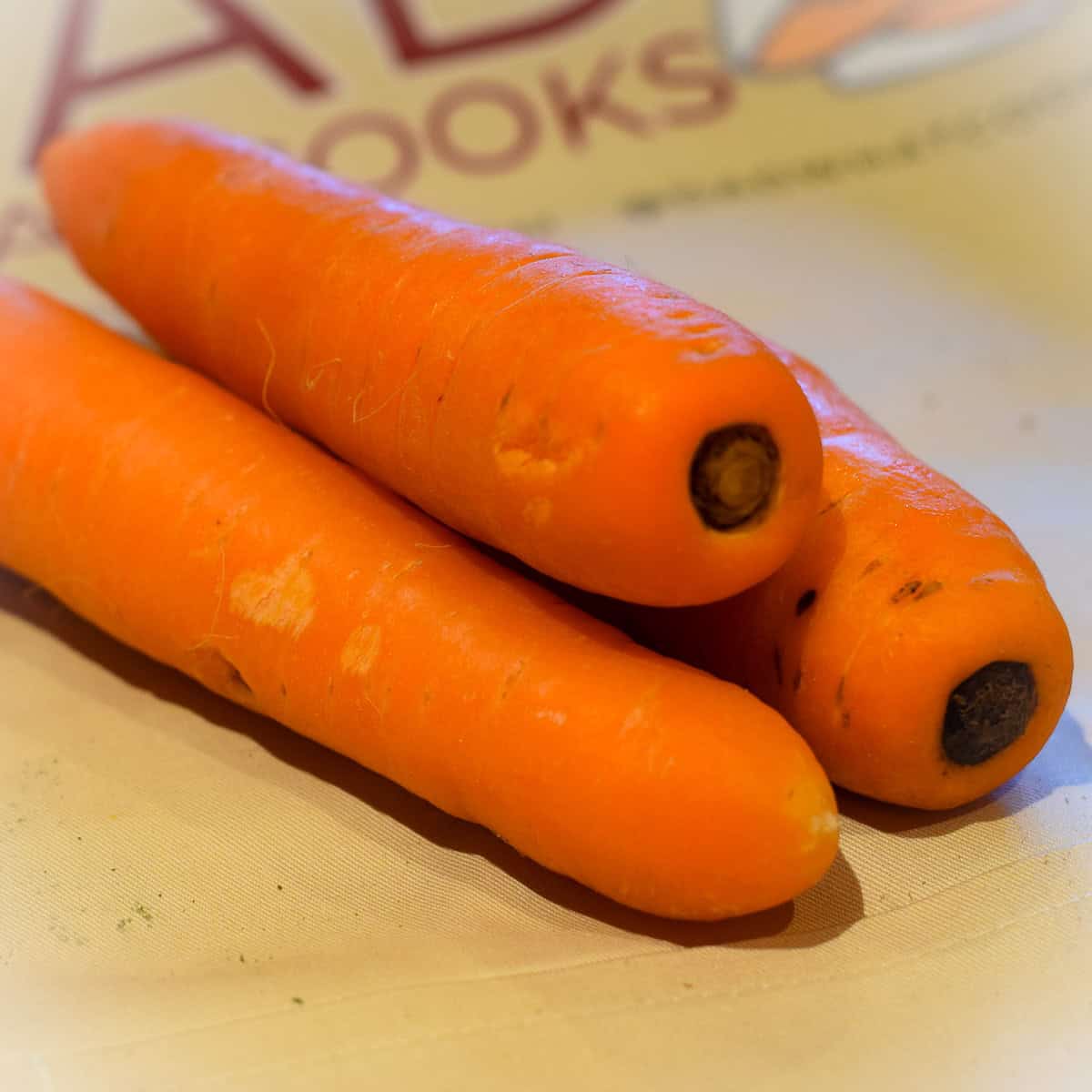
Serve steamed with green vegetables like broccoli or beans for a great accompaniment to a roast chicken dinner.
Pepper / Bell Pepper
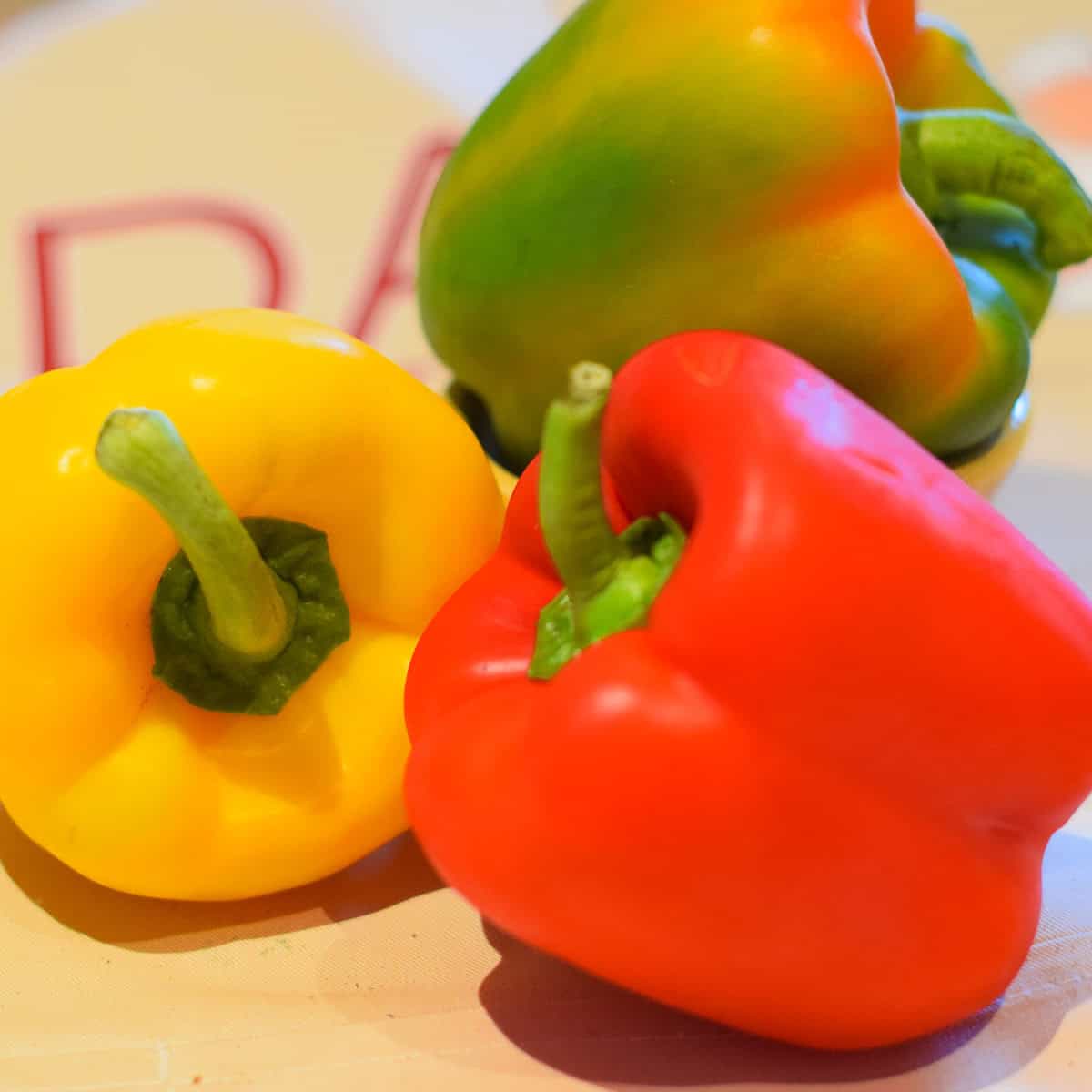
Peppers are a flavoursome ingredient to make sure you keep a fresh stock of. They taste much better the fresher you can get them so plan to only keep for a week at most with the dishes you make. They store well in the fridge.
Peppers come in various colours depending on their stage of ripeness – green peppers (less ripe) to red (most ripe). My preference is to use the yellow and red peppers in salads and tomato based dishes while I prefer green in a curry or mince beef dish. This is of course personal preference and you will find yours too as you cook more and more.
Chopped Tomatoes
The key ingredient to many of my favourite dishes is the tinned chopped tomatoes and fall in to my list of essential pantry ingredients. In recent times I have moved away from the jarred passata version and back to basic tins. I found the pre-prepared passata contained too many additions (salt, sugar etc) which I can add to my own levels as the recipes call for it if I use chopped tomatoes.
Keeping a few tins of chopped tomatoes in your cupboard will mean you have a basic sauce to put with many dishes and a few of my recipes on the site will call for these too. Don’t worry about brands either, prices can vary from a few pence upwards for tomatoes but anything works, providing they are chopped tomatoes.
Herbs and Spices
Variety is the spice of life and cooking is no different. Putting different herbs and spices into your cooking will enhance and change flavour of food drastically. Many recipes here will call for you to season as required. There are no specifics because seasoning is subjective and one person may prefer more salt and less pepper to another.
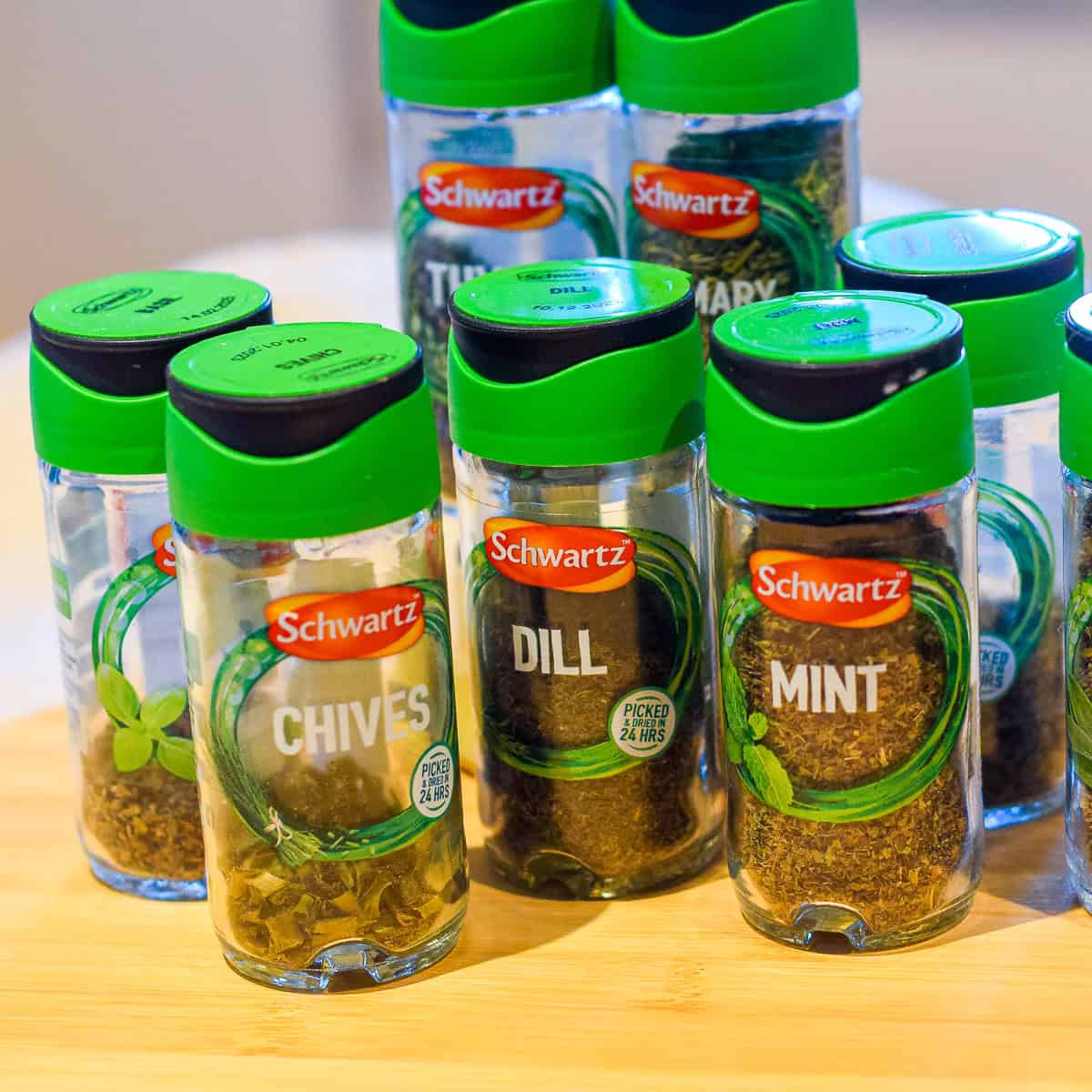
Having said that, sometimes seasoning and flavour is required. What would a curry be without some spice? So I recommend for you to have a selection of herbs and spices in your cupboard to accompany the meal making process.
This will build up over time as you develop and cook more recipes. I like to use the Schwartz range as generally these are on offer at my supermarket when I need them. Having said that, shops own brands work just as well.
Salt and Pepper
Most of us will have this as a given, however they are the two basic ingredients above all others that you should have. A little salt goes a long way. If you are trying to cut down on cholesterol or reduce your blood pressure, try using the lo-salt options available.
Paprika
A gentle but empowering spice to have available in your cupboard. A dash of paprika gives colour and flavour to a dish. I am a fan of adding this to meats such as chicken and beef to bring out the flavour further.
Turmeric
Again, one which will add colour to a dish along with flavour and furthermore, health benefits by way of antioxidant effects. For a long time this has been used in eastern medicine, turmeric also offers extra flavour and colour to your food.
Coriander, Parsley & Thyme
If I was only allowed three herbs in my cupboard, these are what I would pick. They offer a versatile range of flavour and also help garnish a dish. These herbs can all be bought in a dried variety which can be stored in the cupboard for a long time. They also can be purchased fresh from the supermarket, or even grown in your garden for those who want to have the freshest available. Either way, they are a staple ingredient worth having available for a lot of recipes.
Oils
My website recipes at some point will call for oil in some form or another. I generally will reach for one of three types: vegetable, olive or low calorie cooking spray. As far as I am concerned they can all be interchangeable when it comes to the recipes on this site. If you want healthy, go for the low calorie spray. If you want flavour, go for olive oil. Either works and there is no right or wrong.
Oils can be used as a cooking ingredient or as a dip for breads and crackers. Try adding a bit of balsamic vinaigrette to some olive oil as part of a cheese and wine selection. Great for parties or for a starter to a meal. Served on a nice charcuterie board they make for a well presented dinner party centrepiece.
Oils can have a different temperature that they can cook too. This is known as a smoke point. Olive oil has a much lower smoke point than rapeseed oil so this is something to consider if using it in a frying pan.
Conclusion
Keeping a selection of the above ingredients will make sure that you have something available to make a good meal with. With just a few ingredients you can get things together like a one cup quiche or add to pasta dishes to get a variety on what could otherwise be a plain and boring dish.
Keep experimenting with bits of leftovers as this will help reduce your food waste and save you some money.
More posts like this


Comments
No Comments
Leave a Reply