


Affiliate Disclosure As an Amazon Associate I earn from qualifying purchases. This post may contain affiliate links. For more details, refer to my Disclaimer page.
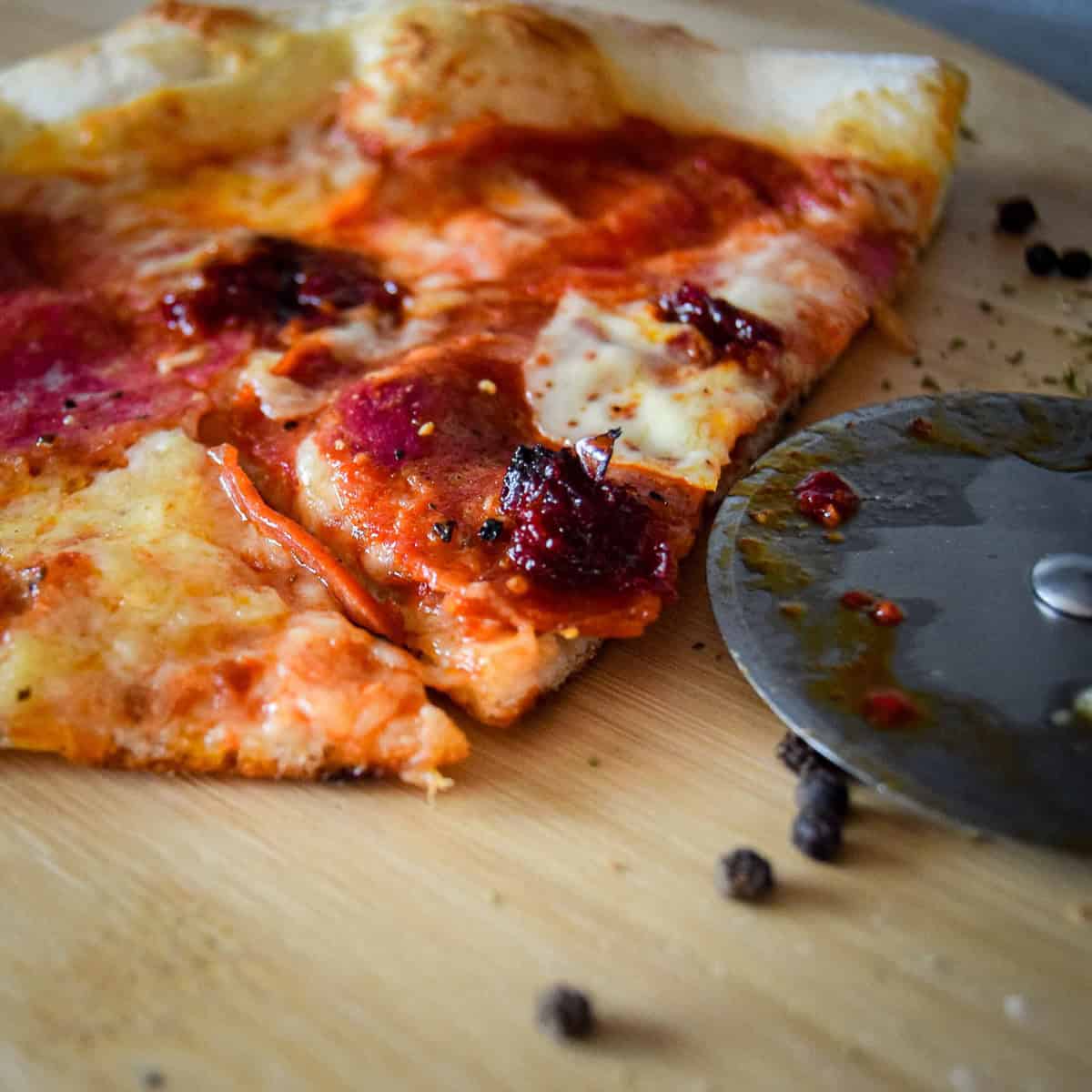
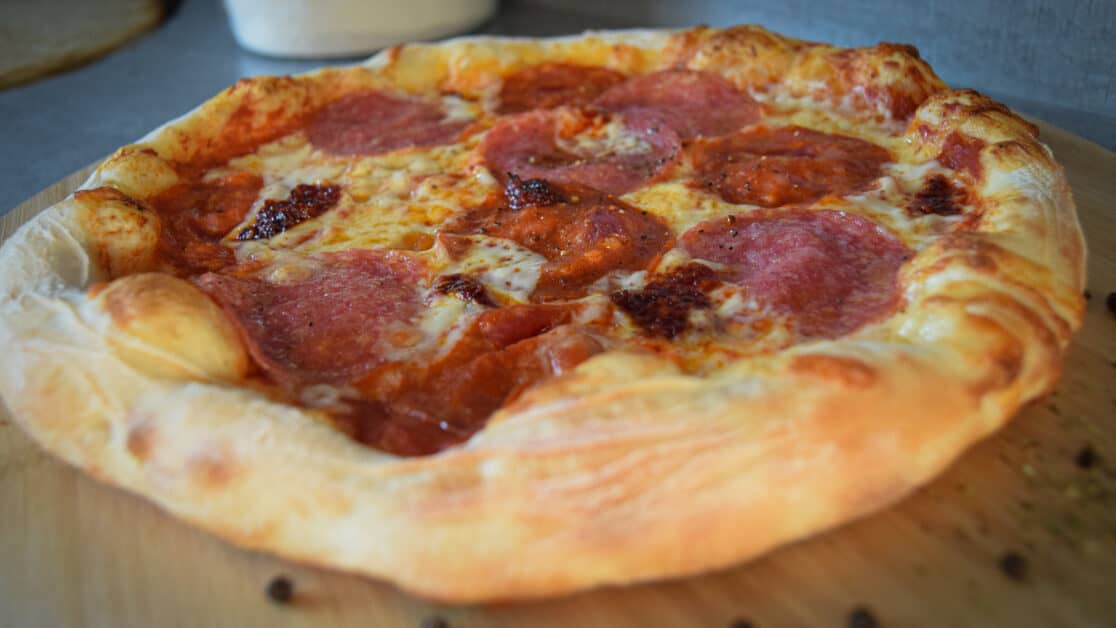
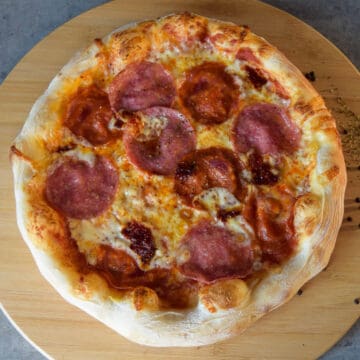
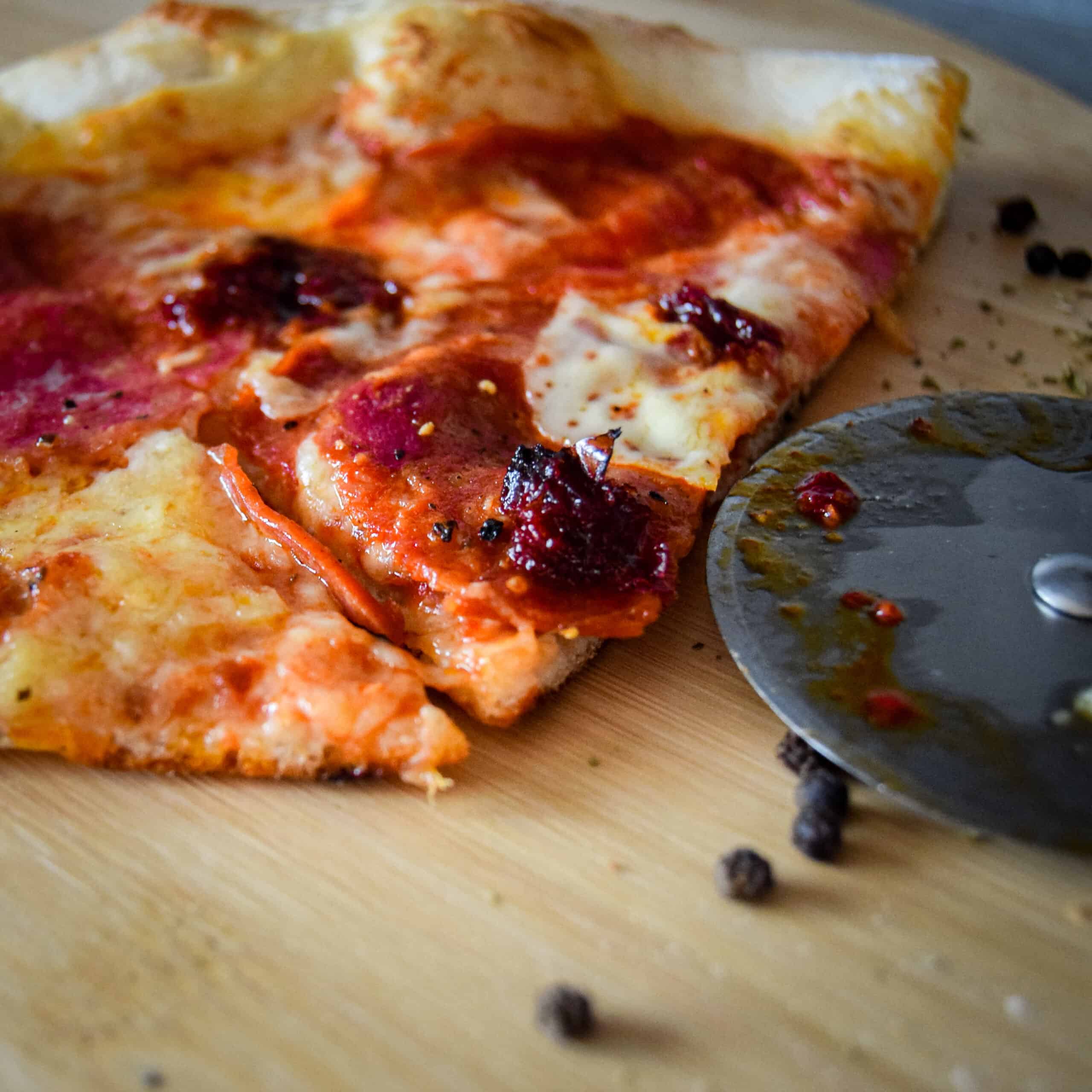
This is my favourite pizza. A rustic nduja and pepperoni pizza with sweet piquanté peppers on a thin, crispy base. It has a proper kick from the nduja, balanced by the sweetness of the peppers, and it is a clear step up from a plain pepperoni pizza.
Nduja is a soft, spreadable spicy pork sausage from Calabria in southern Italy. On a pizza you dot it on before baking and it melts into a spicy, savoury oil that runs through the cheese and base. You see it on restaurant menus more and more now, but it is easy to make at home with a few simple ingredients.
This post covers the toppings that make this pizza work, the sauce and dough I use, how to cook it, and answers to the questions people ask most about putting nduja on a pizza.
Why this pizza works
Simple but effective. The toppings are what turn a fairly plain pizza into something worth making. The sweetness of the piquanté peppers plays against the spice of the nduja, and that contrast is what gives it its flavour.
If you are looking for pizza dough options and detailed instructions how to make it, try my pizza dough calculator. This offers all weights and measures to get a great dough.
I have found the best results come from a thin and crispy base, though any dough will do. In recent months I have started using sweet piquanté peppers, which are small peppers with a sweet and slightly sour taste. I cut them in half, sit them on top of the pepperoni, then drop a marble-sized blob of nduja into each one. It gives a neat pocket of sweet and fiery flavour in every bite.
The pizza base
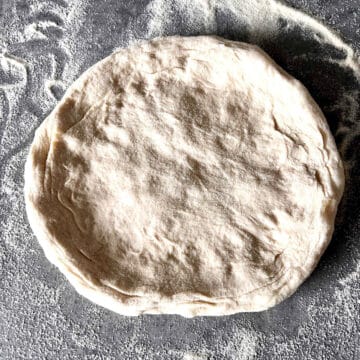
Choosing the right dough matters. I use my own simple pizza dough recipe and a thin, crispy base suits this topping best. You will find more options in my pizza and burger recipes if you want to try something different.
The Tomato Sauce
Underneath everything is the tomato base. I used to make my own, and I will admit I now often fake it with tinned or bottled passata for the sake of time. A homemade sauce is nicer, but on a weeknight the shop-bought version wins.
My top 3 favourite tomato sauces for pizza
3. Cirio Passata Rustica - Cirio Passata Rustica. A flavoursome sauce in a 500ml glass bottle, often found in Home Bargains and B&M. It can be a little watery, but it has a good depth of authentic Italian flavour.
2. Mutti Passata - A full-bodied, thicker sauce in a 400g tin. Good for thin bases because it does not make the dough wet. There is usually a basil leaf or two in the tin, and whoever gets it on their slice wins.
1. Home made sauce - You cannot beat it. Use fresh tomatoes boiled down, or tinned plum tomatoes, and simmer to the thickness you want. Longer simmering gives a thicker sauce. It takes time and effort but it is worth it.
How to cook nduja and pepperoni pizza
These cook in next to no time. I sometimes cook mine on a Weber Genesis gas grill with a pizza stone sitting on top of the grill plates. On the gas grill the pizza takes around 5 to 6 minutes at 300C.
One important safety point with a pizza stone: always put the stone on the grill cold, then light the barbecue. Never put a cold stone onto a hot grill, or it can crack.
If you are cooking in a dedicated pizza oven, it will reach much higher temperatures, so the pizza only needs around 60 to 90 seconds. When I cook using my Woody oven it takes far less time than on the Weber.
Turning the pizza
Being able to move the pizza around as it cooks is what stops it burning on one side, especially in a hot pizza oven. A turning peel is worth having. It has a longer handle and a smaller head than a standard peel, so you can turn the pizza in a tight space.
If you want the full comparison, I have written about wood versus metal pizza peels
Some turning peels I would recommend checking out
Ooni Pizza Turning Peel - This is a long metal peel which is lightweight yet quality. It has a long handle which is useful for shielding the pizza from getting too much heat if needed. Can also be bought as part of the Ooni Pizza peel bundle.
Lakeland Pizza Peel - While strictly not a turning peel, it does have a good solid metal head useful for heat shielding.
Gozney Utility Turning Peel - A long handled quality build turning peel from Gozney.
If you do not have a peel at all, you can slide the pizza on and off the stone using baking paper on a metal tray.
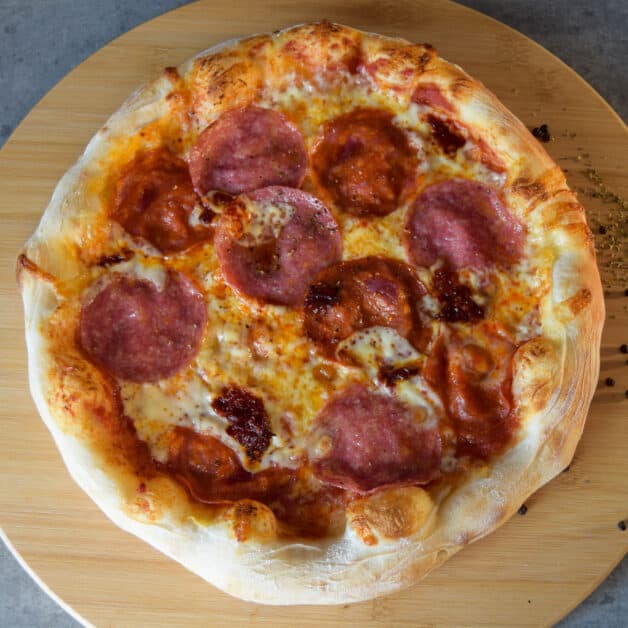
The original and best way is to use a pizza paddle. These are long handled shovel like pieces of kit allowing you to slide under the pizza and adjust it in the hot pizza oven. There are lots of varieties of pizza paddle so pick the one for your requirements depending on pizza oven size. Alternatively you can just use a metal tray and baking paper, sliding the pizza on and off as necessary to get your pepperoni nduja pizza cooked beautifully.
Obviously there are so many variants to a pizza topping that can make or break it for you. If you don't like the extra heat of the nduja paste, then there is no need to add it. The picante peppers can be an acquired taste and again, these can be removed or substituted for regular bell peppers.
How much nduja to use, and how to use it
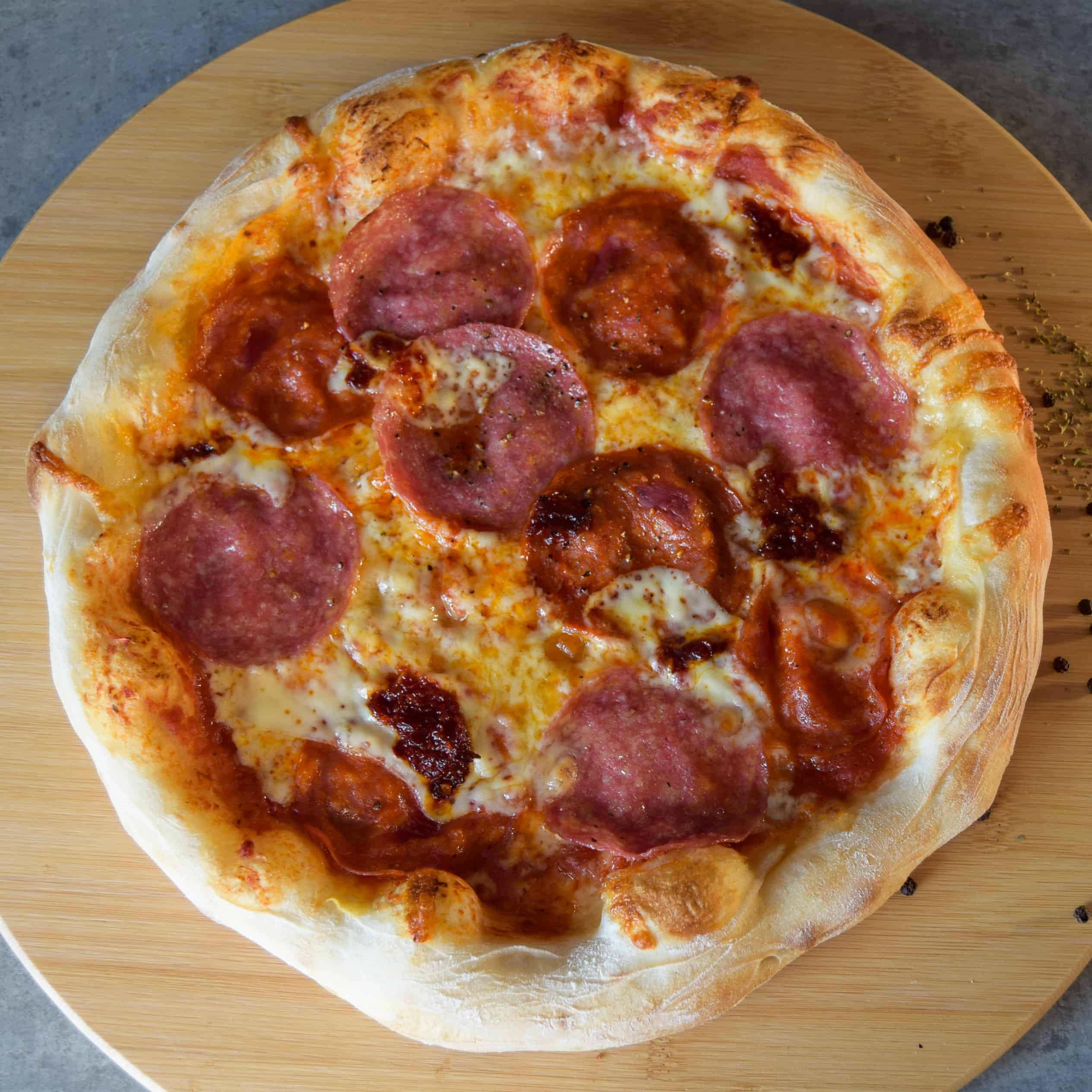
Nduja is rich and spicy, so a little goes a long way. As a starting point, about one tablespoon dotted across a 10 to 12 inch base is plenty. Tear or spoon it into small pieces and space them out rather than spreading it like a sauce, so you get pockets of heat rather than an overwhelming layer.
You do not need to cook nduja first. Dot it on raw before the pizza goes in, and it renders and cooks in the oven heat, releasing its oil. Cooking it beforehand only dries it out.
Making it hotter, or milder
If you want more heat, there are a few easy options. Add a little cayenne pepper to the sauce for a kick in the base, mix chilli flakes into the dough for a fiery crust, or use a chilli cheese, of which there are plenty on the market.
If you would rather tone it down, the nduja is optional, and the piquanté peppers can be swapped for regular bell peppers or left off. This pizza still works without the heat.
Alternative Toppings
Suggested extras which work with this pizza topping:
- Mushroom
- Sweetcorn
- Tomato Slices
- Red Onion Slices
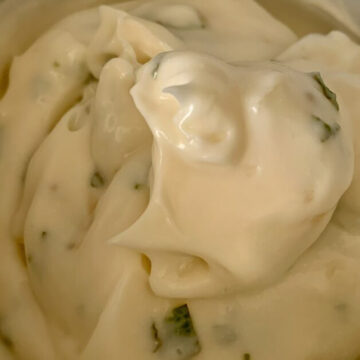
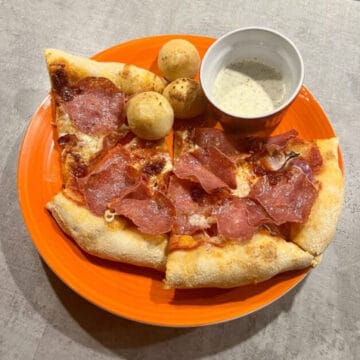
Along side this dish you can serve it with garlic dough balls made from the same pizza dough. A dip such as this mint and mayo dip works well as a side.
FAQs
Nduja is a soft, spreadable spicy pork sausage from Calabria in Italy. On a pizza it is dotted on before baking, then melts and releases a spicy oil into the cheese and base. It is not the same as chorizo, though both are spiced cured pork.
No. Dot it on raw in small pieces before baking. It cooks through and renders in the oven heat, so cooking it first only dries it out.
About one tablespoon dotted across a 10 to 12 inch base is enough. It is rich and spicy, so space out small pieces rather than spreading it like a sauce.
Piquanté peppers are small, sweet peppers with a mild spicy kick, roughly the size of a cherry tomato. Sold in jars they are usually hollowed out, leaving just the sweet flesh, which balances the heat of the nduja.
es. My favourite way is the air fryer at 200C for about 3 minutes on the wire rack, which can come out better than the first bake. See my full guide on reheating pizza for more methods.
Other Pizzas And Sides To Try
The Recipe
Spicy Nduja Pizza With Pepperoni And Piquanté Peppers
Equipment
- 1 Pizza Peel helps turn the pizza when cooking
- 1 Pizza oven optional, but makes for a more authentic pizza
Ingredients
- 1 tin Passata or pizza sauce
- 3 halved Piquanté peppers
- 2 tbps Nduja paste
- 8 slices Pepperoni
- 100 g Pizza cheese higher fat content cheese makes better melting
Instructions
- Stretch out your pizza dough and form a base. A dusting of fine semolina flour on your work surface will stop any pizza dough sticking to it as you work and make for easier handling.
- Add 2 tablespoons of passata sauce and spread round with the back of a spoon to cover the entire base but leave about 1cm from the edge all the way around.
- Sprinkle the cheese to cover the passata sauce. Don't make it too thick, less is more where it comes to pizza toppings.
- Place 6 to 8 pieces of pepperoni around the pizza.
- Slice the piquanté peppers in half and put one half on or near each piece of pepperoni.
- Scoop a pea/marble sized amount of nduja paste into each picante pepper half.
- Once the BBQ or pizza oven is at temperature, pop it in to cook for 5 mins in a traditional gas bbq (300℃ on a pizza stone) or 60 to 90 seconds at 450℃ upwards in the pizza oven. For a more authentic pizza experience a higher temperature (shorter cook time) gives a better result.
Notes
Gas Pizza Oven Cooking Top Tip
When heating up the pizza oven using a gas fuel oven, heat on full blast (top temperature) and then just before you put the pizza in, turn the heat down to 50%. This keeps the temperature up, allows the base to cook without burning the edge of the pizza nearest the flames.Nutrition
More posts like this

2 responses to “Nduja And Pepperoni Pizza”
-


A this is a real tasty recipe to eat when you want a bit more spice on the pizza. I love the sweet and spicy contrast. -
This pizza is epic with a bit of pineapple on the top too. Some people say I'm weird wanting pineapple, but I like it.


Leave a Reply