


Affiliate Disclosure As an Amazon Associate I earn from qualifying purchases. This post may contain affiliate links. For more details, refer to my Disclaimer page.
Choosing a food mixer seems simple, but in fact, it is not. For that purpose, I have devised a buying guide so you can get a better understanding of what you buy.
A good food mixer can take the effort out of baking by combining batter, whipping cream and kneading dough to perfection in minutes. That frees you up to get on with other things (or just sit down with a brew).
This is a post about choosing a food mixer and also checks out a stand mixer vs a dough mixer.
Contents
Things to Consider While Choosing A Food Mixer
Some mixers cost more than an oven or a dishwasher, so it pays to make sure you are getting the right model for your needs. In this guide, I will walk through the key things to consider, compare three types of mixer and help you work out which one is worth your money.
Your Kitchen Needs
Take some time to sit down and consider what you're likely to use this mixer for – both in terms of the recipes you'll be creating and the amount of food you'll be preparing on a regular basis.
If bread baking is your main focus, you should pay close attention to motor power, dough hook quality and bowl capacity. For general baking tasks, a versatile stand mixer with multiple attachments will likely cover everything you need.
Stand Mixer vs Dough Mixer: What Is the Difference?
This is something most buying guides overlook entirely, and it is worth understanding before you buy.
A stand mixer is the all-rounder. It typically comes with a flat beater for cake batters, a balloon whisk for whipping cream and egg whites, and a dough hook for kneading. Brands such as KitchenAid, Kenwood and Morphy Richards all make popular stand mixers. They handle a wide range of tasks but are not specifically designed for any single one.
A dedicated dough mixer is built specifically for kneading. These machines use a spiral or S-shaped blade designed to develop gluten more efficiently than a standard dough hook. Many newer models also include a built-in fermentation (proofing) function, which maintains a constant temperature between 25 and 38 degrees Celsius to help your dough rise. This is particularly useful in colder kitchens or during winter months when proving can take significantly longer.
If you bake bread regularly and want consistent results with minimal fuss, a dedicated dough mixer is well worth considering. If you need a machine that does everything from meringue to mashed potatoes, a stand mixer is the better all-round choice.
Price Range
Food mixers span a wide price range. Hand mixers start from as little as £20, though most decent ones sit around the £50 to £100 mark. Stand mixers typically range from £100 to £500, with premium models from brands such as KitchenAid and Kenwood sitting at the higher end.
Dedicated dough mixers with fermentation functions are a newer category in the UK market and generally cost between £60 and £150, making them surprisingly affordable for what they offer. Commercial models can exceed £1,000, but you would only need one of those if you were running a small bakery from home (and probably needed a bigger oven too).
Weight
Weight matters more than you might expect. For a hand mixer, lighter is better because you will be holding it for the duration of the mix. The more ingredients you are combining, the longer you will need to hold it, so comfort is key. Keep in mind the arm ache you might get holding a heavy mixer for a long time.
For a stand mixer, heavier is generally better. A heavier base keeps the machine stable when dealing with thick doughs and prevents it from moving around on the worktop. Look for models with non-slip feet or suction cups on the base for added stability.
Dough mixers tend to sit somewhere in the middle. Many use suction cup bases and weighted bodies to stay put during kneading, even though they are often more compact than traditional stand mixers.
Speed Levels
Different recipes require different mixing speeds. Most stand mixers offer between 6 and 12 speed settings, which gives you good control for everything from slow folding to fast whisking.
Dough mixers typically have fewer speed options (often just the kneading mode and fermentation mode), which keeps operation simple. If you plan to use your mixer for a variety of tasks beyond dough, more speeds will give you greater flexibility
Mixer Size (and bowl size)
When it comes to size, there are two primary considerations:
- How much room do you have accessible in your kitchen?
- How much food do you expect to make in your mixer on a regular basis?
Bowl size determines how much you can mix in one go. Here is a rough guide:
- 3 to 4 litres: Suitable for smaller bakes and couples or individuals.
- 4 to 5 litres: The most common size, good for most home baking tasks.
- 5 to 7 litres: Ideal for larger batches, family baking or regular bread making.
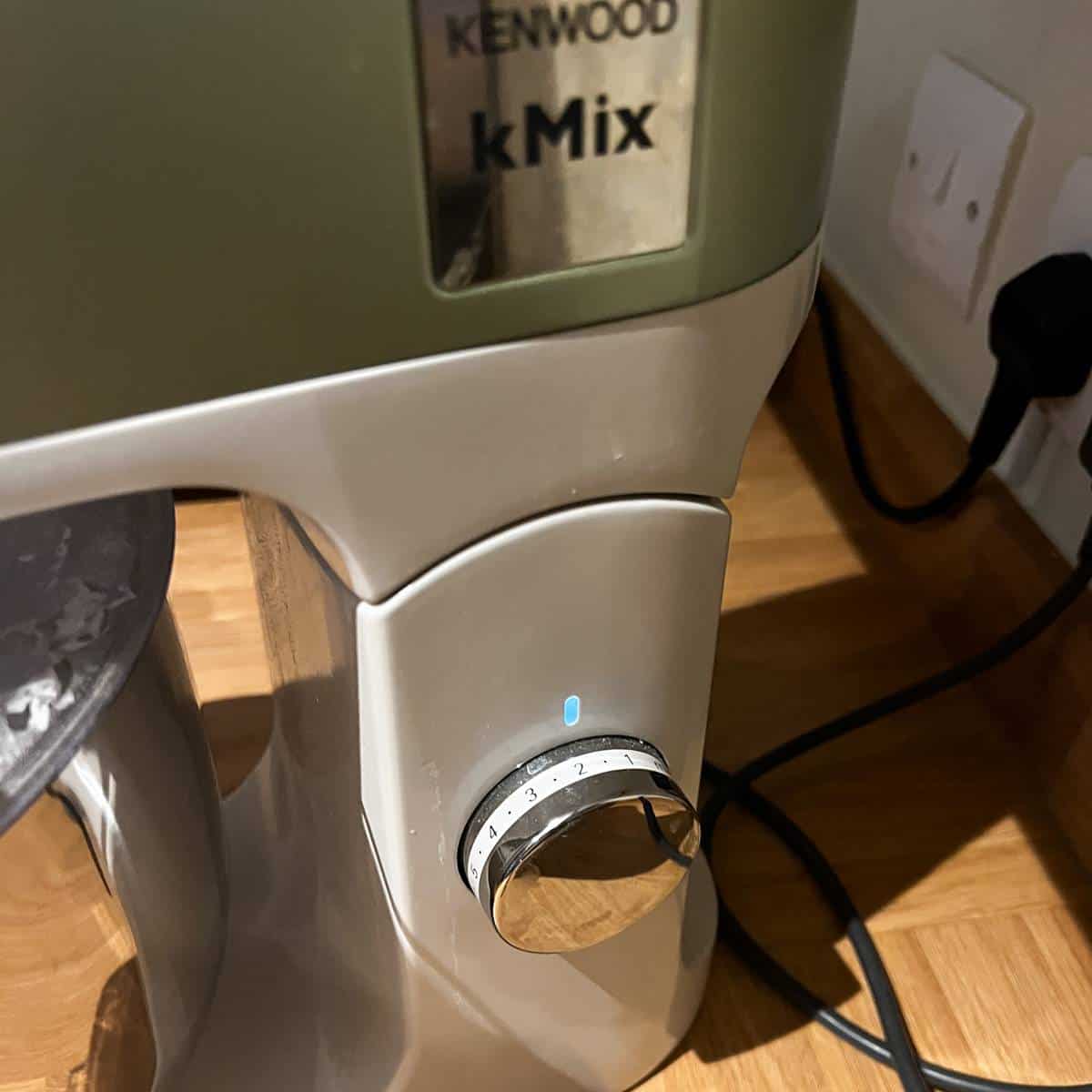
Consider the space you have available. Measure your worktop and check cupboard clearance height if you have a tilt-head mixer, as you will need room to lift the head when attaching the bowl.
Mixer Features
Attachments and versatility
Most stand mixers come with three standard attachments: a flat beater, a dough hook and a balloon whisk. Some models also include a splash guard, scraper beaters or additional bowls.
Higher-end stand mixers from KitchenAid and Kenwood offer expansion through optional attachments such as pasta rollers, meat grinders, vegetable spiralisers and food processors. If you think you might use these in the future, it is worth choosing a mixer with a compatible attachment hub.
Dedicated dough mixers usually come with a single kneading blade and mixing bowl, plus measuring accessories. They are less versatile but excel at their specific purpose.
Noise Levels
This is one factor that rarely gets mentioned in buying guides, but it makes a real difference in daily use. Stand mixers can be surprisingly loud, particularly at higher speeds or when kneading heavy dough.
If you bake early in the morning or while others are sleeping, check the noise rating. Models rated below 60dB are considered relatively quiet.
Ease of Cleaning
Look for mixers with dishwasher-safe bowls and attachments. Stainless steel bowls are generally the easiest to clean and the most hygienic. Split-design dough mixers, where the motor unit separates from the bowl, make cleaning particularly straightforward.
Adjustable or removeable parts also help keep things clean and allow servicing if needed.
So what food mixers are the best?
| Feature | Budget Pick | Best Value Stand Mixer | Best for Bread Bakers |
|---|---|---|---|
| Model | Vospeed 6L Stand Mixer 1000W | Morphy Richards MixStar 400520 | 7L Dough Mixer with Fermentation |
| Price Range | £50 - £80 | £150 - £190 | £70 - £120 |
| Bowl Capacity | 6 litres | 4 litres | 7 litres |
| Motor Power | 1000W | 650W | 200W |
| Speed Settings | 6 speeds | 6 speeds + timer | Knead + Ferment modes |
| Dough Hook | Yes | Yes (dual action) | S-shaped kneading blade |
| Whisk | Yes | Yes (dual action) | No |
| Fermentation Function | No | No | Yes (25-38°C) |
| Best For | General baking on a budget | All-round baking in smaller kitchens | Regular bread and dough making |
Budget Food Mixers
You should always have a budget in mind when it comes to picking a food mixer. Our budget choice comes in as the Stand Mixer, 6L Food Mixer 1000W Tilt-Head Electric Kitchen Mixer. This food mixer features:
- 6 SPEED SETTINGS – This food mixer features 6 separate speed settings that allow you to fully control the food preparation process. The machine also has non-slip feet which keeps it rigid throughout use.
- 6 LITRE BOWL – Mix all of your ingredients in the 6-litre stainless steel bowl provided. The machine comes equipped with pastry/dough hooks & twin beaters, and all the accessories are dishwasher friendly.
- COMPACT STAND MIXER – This freestanding food mixer is the perfect kitchen accessory to mix all your ingredients together when making cakes, breads, cookies, pastries, muffins and waffles.
- Tilt-head cake mixer not only allows clear access to the mixer bowl and attached beater but also easy to install and remove the stainless bowl and 3 attachments. 6 strong silicone suction cups on the base help secure it to your counter and prevent "walking" during operation. The food mixer has a stainless steel decoration belt and blue LED light as a power indicator. Definitely one of the best appliances in your kitchen
Best Value Food Mixers
Somewhere in the middle is a food mixer which is not the cheapest out there, it might even be a little bit out of your initial budget, but for the extra money it certainly is worth while spending it. For this one, I recommend the Camic Stand Mixer, 1800W Metal Kitchen Mixer with 9L Stainless Steel Bowl.
Some of the features of this mixer include:
- STABLE METAL HOUSING 1800W DOUGH MIXER - 1800W powerful motor, with metal gear & stable die-cast aluminum housing offer you more stable use experience and offer durability and ensure lasting use. The bottom suction cup design makes the food mixer run more smoothly and greatly improves the safety of use.
- INTELLIGENT 10 SPEEDS OPTION & SAFETY PROTECTION DESIGN - This stand mixer own 10 speeds optional, The powerful performance of planetary mixing action for mixing bread dough, thick batters, meringues, and whipping cream, plus lower speeds for stirring and finessing your most delicate concoctions. The overheating and overload protection system of the electric mixer makes the chef mixer automatically cut off the power when the kitchen mixer is overloaded.
- Tilt Head & LED LIGHT - The tilt-head design electric mixer allows access to install or uninstall bowl and accessories easily. Bring you convenience to the disassembly and installation of the mixing bowl. The body has a streamlined design, and the LED light is used as a power indicator to decorate the knob to enhance the beauty.
- 24/7 AFTER-SALE SERVICE & 5 YEARS WARRANTY - Provided quality products and long life after-sale support. We offer 5-year quality guarantee for replacement or refund. We have confidence in the quality of Camic cook mixers, and if you have any problems, please feel free to contact us, we will try best to help you.
Best Dough Mixers for Home Bread Bakers
7L Dough Mixer with Fermentation Function
This is the option that most food mixer buying guides do not cover, and for regular bread bakers, it could be the most useful of the three.
Dedicated dough mixers with built-in fermentation have become increasingly popular in the UK over the past couple of years. They are designed to do two things exceptionally well: knead dough and proof it at a controlled temperature.
The 7-litre stainless steel bowl is large enough to handle up to 1.5kg of flour in a single batch, which is enough for several loaves. The S-shaped kneading blade develops gluten more efficiently than a standard dough hook, producing smooth, elastic dough in around 15 minutes with minimal intervention.
The standout feature is the thermostatic fermentation function, which maintains a constant temperature between 25 and 38 degrees Celsius. This is particularly valuable during the colder months when kitchen temperatures can drop low enough to slow proving significantly. If you have ever struggled to get your sourdough to rise in a cold kitchen in winter, this feature alone may justify the purchase.
The split design means the electrical unit separates from the bowl, making cleaning straightforward. The bowl and kneading blade are both 304 stainless steel, which is food-safe, rust-resistant and easy to maintain.
These mixers are designed specifically for dough. They will not whisk egg whites, cream butter or beat cake batter. If you need a machine that does everything, pair this with a hand mixer or choose a stand mixer instead.
Which Type of Mixer Should You Choose?
Choose a budget stand mixer if you bake occasionally, want a machine that handles a variety of tasks and do not want to spend more than £100.
Choose a mid-range stand mixer if you bake regularly, want reliable build quality and value versatility. The Morphy Richards MixStar is a strong option for smaller kitchens.
Choose a dedicated dough mixer if bread baking is your main focus and you want consistent results with built-in proofing. These are surprisingly affordable and ideal for anyone who bakes bread weekly.
Consider a premium stand mixer (KitchenAid Artisan, Kenwood Titanium Chef or similar) if you bake frequently across multiple disciplines, want access to a wide range of optional attachments and are happy to invest £300 or more for a machine that should last many years.
Bread & Dough Mixer FAQs
No. You can knead bread by hand, and many bakers prefer to do so. However, a stand mixer or dedicated dough mixer saves time and effort, particularly with stiffer doughs or when making multiple loaves. It also produces more consistent results.
A dough hook is the C-shaped or spiral attachment that comes with most stand mixers. It works by pulling and stretching the dough in a circular motion. A kneading blade (or S-shaped blade) found in dedicated dough mixers works more aggressively, pushing the dough in multiple directions simultaneously. This typically develops gluten faster and more evenly.
Yes. Most stand mixers handle sourdough well, particularly higher-hydration doughs. For lower-hydration or very stiff doughs, a more powerful motor (600W or above) is recommended to avoid straining the machine.
If you bake bread regularly and your kitchen gets cold, the fermentation function is genuinely useful. It removes the guesswork from proofing and can cut rising times significantly. For occasional bakers, it is a nice feature but not essential.
More posts like this



Comments
No Comments
Leave a Reply